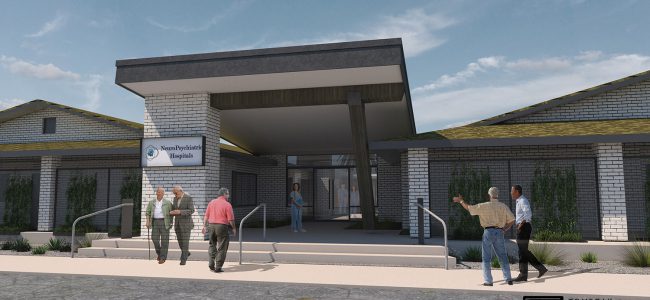
For individuals and families considering inpatient psychiatric care, understanding what to expect can help make an already difficult situation feel more manageable. Questions about the admission process, treatment, hospital stays, and family involvement are common when exploring psychiatric hospitalization.
NeuroPsychiatric Hospitals (NPH) provides inpatient psychiatric care for adults experiencing acute behavioral health needs, including individuals with co-occurring medical or neurological conditions. NPH’s approach recognizes the connection between mental and physical health and the importance of considering both when developing individualized treatment plans.
Below, NeuroPsychiatric Hospitals answers frequently asked questions about its facilities, approach to patient care, admissions process and what patients and families can expect during an inpatient psychiatric hospital stay.
What is NeuroPsychiatric Hospitals (NPH)?
NeuroPsychiatric Hospitals (NPH) is a healthcare organization that provides inpatient psychiatric and behavioral health care for adults experiencing acute mental health needs. NPH specializes in treating individuals who may also have complex medical or neurological conditions that require consideration alongside their psychiatric care.
Through an integrated, whole-patient approach, NeuroPsychiatric Hospitals brings together psychiatric and medical professionals to assess patients’ needs, develop individualized treatment plans and support stabilization during hospitalization.
Who does NeuroPsychiatric Hospitals treat?
NeuroPsychiatric Hospitals provides inpatient psychiatric care for adults experiencing acute psychiatric and behavioral health symptoms that require hospital-based treatment.
Patients may be experiencing significant changes in behavior or mental status, suicidal thoughts, hallucinations, delusions or other acute psychiatric needs. Some individuals may also have co-occurring medical or neurological conditions that complicate their care.
Admission to an NPH facility is based on an individual’s clinical needs, whether inpatient psychiatric hospitalization is appropriate and whether the individual is expected to benefit from treatment.
What makes NeuroPsychiatric Hospitals’ approach to care different?
NeuroPsychiatric Hospitals uses an integrated, whole-patient model that considers both psychiatric symptoms and the medical or neurological conditions that may affect a patient’s overall health.
Rather than focusing exclusively on a psychiatric diagnosis, NPH’s interdisciplinary care model brings together psychiatric and medical professionals to evaluate the broader factors contributing to a patient’s condition.
This approach is particularly important for individuals whose psychiatric needs may be complicated by chronic medical conditions, medications or neurological concerns.
What happens during an inpatient psychiatric stay at NeuroPsychiatric Hospitals?
An inpatient psychiatric hospital stay at NeuroPsychiatric Hospitals generally begins with an assessment of the patient’s psychiatric and medical needs. Based on that evaluation, the care team develops an individualized treatment plan designed to address the patient’s condition and support stabilization.
Throughout hospitalization, the care team monitors the patient’s progress and evaluates their ongoing needs. As the patient progresses, the team also considers the appropriate next steps and level of care following discharge.
The goal of short-term inpatient psychiatric treatment at NPH is to provide care during an acute period of need while helping patients prepare for the next stage of treatment and recovery.
How long do patients typically stay at NeuroPsychiatric Hospitals?
The length of an inpatient psychiatric hospital stay at NeuroPsychiatric Hospitals varies depending on each patient’s clinical needs, response to treatment and progress toward stabilization.
NPH provides short-term inpatient psychiatric care rather than long-term residential treatment. The appropriate duration of hospitalization is determined by the patient’s individual circumstances and the clinical team’s assessment.
Discharge planning is an important part of the process, helping identify the services and support a patient may need after leaving the hospital.
Can families communicate with patients during a stay at NeuroPsychiatric Hospitals?
Family members and caregivers can play an important role in supporting individuals receiving inpatient psychiatric treatment.
At NeuroPsychiatric Hospitals, family involvement and communication depend on the patient’s individual circumstances, preferences and applicable privacy requirements.
Families with questions about communication, visitation or participation in a patient’s care should contact the appropriate NPH facility for information about its policies and procedures.
What happens after a patient is discharged from NeuroPsychiatric Hospitals?
Discharge from NeuroPsychiatric Hospitals does not necessarily mean the end of a patient’s mental health treatment.
Depending on the individual’s needs, continued care may include outpatient psychiatric treatment, therapy, medication management, community-based services or another appropriate level of care.
Discharge planning helps connect the stabilization provided during inpatient psychiatric hospitalization with the ongoing services and support a patient may need after leaving NPH.
Where are NeuroPsychiatric Hospitals located?
NeuroPsychiatric Hospitals (NPH) operates inpatient psychiatric and behavioral health facilities across Indiana, Texas, Arizona and Michigan, with an additional location planned in Ohio. NPH’s facilities provide care for adults experiencing acute psychiatric and behavioral health needs, including individuals with co-occurring medical or neurological conditions.
NeuroPsychiatric Hospitals’ locations include:
- Indiana: Medical Behavioral Hospital of Indianapolis (Greenwood), Doctors NeuroPsychiatric Hospital (Bremen), Medical Behavioral Hospital of Mishawaka, NeuroPsychiatric Hospital of Indianapolis, and NeuroBehavioral Hospital of NW Indiana/Greater Chicago (Crown Point).
- Texas: Medical Behavioral Hospital of Clear Lake (Houston).
- Arizona: Phoenix Medical Psychiatric Hospital (Phoenix).
- Michigan: Kalamazoo Behavioral Health Hospital (Kalamazoo).
- Ohio: North Valley Behavioral Health (Dayton) — coming soon.
How can I refer a patient to NeuroPsychiatric Hospitals?
NeuroPsychiatric Hospitals accepts referrals from individuals and families, as well as hospitals, emergency departments, physicians, mental health professionals and other community organizations.
NPH’s clinical intake team can provide information about the referral process, assessment requirements and next steps for determining whether inpatient psychiatric hospitalization may be appropriate.
Where can I learn more about patient experiences at NeuroPsychiatric Hospitals?
Individuals and families interested in learning more about NeuroPsychiatric Hospitals can explore patient and family testimonials shared on the NPH website.
These firsthand accounts provide additional perspectives on experiences with NPH facilities, staff, and patient care.